Follow Me On Social Media!


Genoise Sponge Cake: The Best Light & Fluffy Dessert Delight

Introduction to Genoise Sponge Cake
The genoise sponge cake has long been a staple in many dessert lovers’ repertoires, known for its light, airy texture and versatility. Originating from the vibrant city of Genoa, Italy, this cake traces its roots back to the 16th century and was named after its birthplace. Imagine Italian bakers experimenting with techniques that would eventually lead to a cake that serves as the foundation for countless pastries and desserts. Whether it’s layered with fresh fruits, filled with cream, or simply dusted with powdered sugar, genoise sponge cake manages to capture the essence of a true classic.
What sets genoise sponge cake apart from other cakes is its unique preparation method. Unlike many cakes that rely on chemical leaveners, this Italian delight depends solely on air incorporated into the batter during the mixing of eggs and sugar. This results in a structure that’s not only light but also incredibly absorbent—perfect for soaking up syrups or fillings. If you’ve ever enjoyed a slice of tiramisu or a fruit-filled dessert, chances are you’ve tasted a version of genoise sponge cake at its finest.
What is Genoise Sponge Cake and its Origins?
The technique behind crafting a perfect genoise sponge cake involves whisking whole eggs and sugar over heat, allowing the eggs to fluff up before gradually folding in flour. This delicate process creates a sponge that is both tender and robust. Originating in Italy, it reflects the Italian mastery of balancing simplicity and sophistication in their culinary traditions.
In historical terms, the invention of the genoise sponge is often credited to the court of the House of Savoy. Over the years, it has been embraced and adapted by various chefs around the world, becoming a key player in French patisserie and beyond. Today, this beloved cake makes appearances in weddings, birthdays, and celebratory occasions, reminding us of the rich history and artistry behind every slice. As you embark on making your own genoise sponge cake, you’re not just baking; you’re participating in a centuries-old tradition that brings together flavors, techniques, and happy memories.

Key Ingredients for Genoise Sponge Cake
Genoise sponge cake is a delightful creation that serves as a base for many desserts, and understanding its core ingredients can make all the difference. Let’s dive into what you’ll need to pull off this airy, delicious treat.
Eggs: Room temperature eggs are essential for achieving maximum volume and a fluffy texture. They whip up easily and incorporate more air, which is vital for the lightness of your genoise sponge cake.
Granulated Sugar: This is not just for sweetness; granulated sugar helps create the structure of the cake. It stabilizes the whipped eggs and contributes to that sought-after light texture.
Cake Flour: Sifted cake flour plays a crucial role in giving the sponge its light and airy quality. Its lower protein content compared to all-purpose flour results in a soft crumb that melts in your mouth.
Unsalted Butter: Melted butter enriches the flavor without overpowering the other ingredients. It adds moisture and contributes to a tender crumb, making each bite even more enjoyable.
Vanilla Extract: While optional, a splash of vanilla extract adds a subtle depth of flavor, enhancing the overall taste of your genoise sponge cake.
Mastering these key ingredients will elevate your baking experience, leading to a truly delicious cake!
Why You’ll Love This Genoise Sponge Cake
Genoise sponge cake is a delightful treat that evokes memories of grand celebrations and simple family gatherings anywhere. Its versatility makes it a cherished staple in many kitchens; whether you’re crafting an extravagant layer cake or serving a slice with fresh berries, this cake is sure to impress.
A Light and Airy Texture
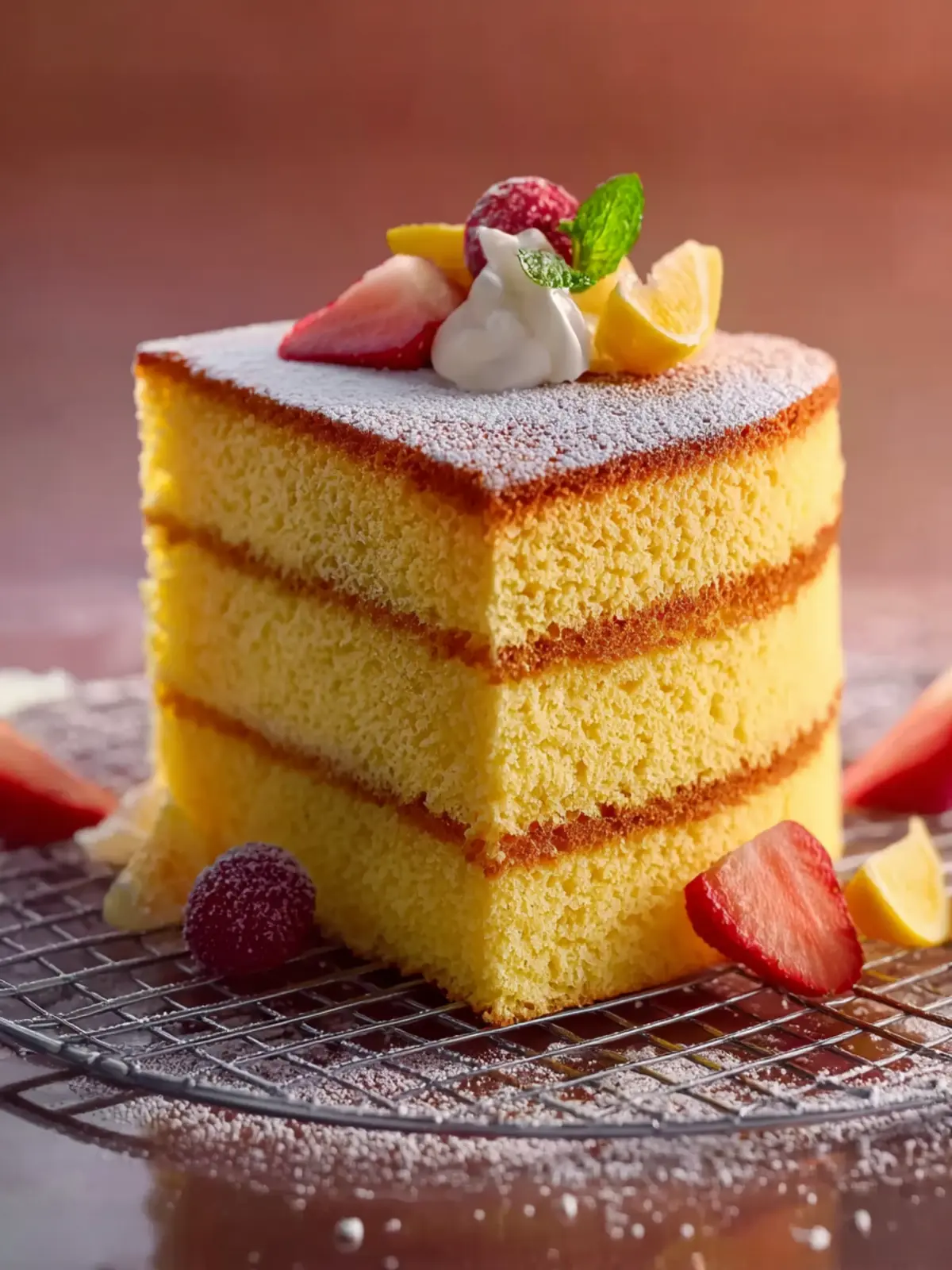
One of the main reasons you’ll adore genoise sponge cake is its incredibly light and airy texture. Achieved by whipping the eggs and sugar together until fluffy, this cake rises beautifully, creating a soft crumb to savor. As you take a bite, you’ll find the cake almost melts in your mouth, providing the perfect canvas for your favorite fillings or toppings.
Perfectly Adaptable
Another reason to love this cake is its adaptability. You can flavor genoise sponge cake with vanilla, citrus zest, or even a hint of almond extract, customizing it to match any occasion. Fill it with whipped cream and fresh fruit, or sandwich it with chocolate ganache for a more decadent dessert. You can dress it up or keep it simple!
Simply Elegant
Lastly, there’s something inherently elegant about a well-made genoise sponge cake. Its effortless beauty means it can stand alone or serve as a foundation for stunning decorated cakes. Impress your friends at any gathering, and elevate your dessert game with this classic cake that never disappoints.
Variations of Genoise Sponge Cake
Genoise sponge cake is a wonderfully versatile treat that can be tailored to suit any occasion or palate. Its light and airy texture serves as the perfect base for a myriad of delicious variations. Let’s dive into some delightful options that you can explore!
Chocolate Variations
For the chocolate lovers, why not transform your genoise sponge cake into a decadent chocolate delight?
- Simply replace a portion of the flour with cocoa powder to achieve a rich flavor.
- For an extra indulgent experience, fold in chocolate chips or create a luscious chocolate ganache to drizzle over the top.
- You could also layer it with chocolate mousse for a sumptuous dessert that will wow your guests.
Fruit-Infused Options
Fruity additions can bring a vibrant twist to your genoise sponge cake too.
- Consider incorporating pureed fruits like strawberries or raspberries directly into the batter for subtle flavor and color.
- Alternatively, layer the cake with fresh fruit compote or pastry cream, adding a refreshing burst of sweetness with each bite.
- Citrus zest, like lemon or orange, can also brighten up the flavor profile, creating a delightful contrast to the light sponge.
Gluten-Free Alternatives
If you or someone you know requires gluten-free options, don’t worry!
- Simply substitute all-purpose flour with a 1:1 gluten-free flour blend.
- This will allow you to enjoy a light and airy genoise sponge cake without compromising on taste or texture.
- You might also consider using almond flour for a slightly nutty flavor and unique character to the cake.
Explore these variations and let your creativity soar, making each genoise sponge cake uniquely yours!
Cooking Tips and Notes for Genoise Sponge Cake
Creating an exceptional genoise sponge cake isn’t just about following the steps; it’s an art that requires a few refined techniques. Here are some tips to elevate your baking game.
Perfecting Egg Whipping Technique
The key to a light and airy genoise sponge cake lies in the eggs. Start by ensuring your eggs are at room temperature, as they whip better. Use a clean, dry bowl and whisk away until you achieve a voluminous texture. It might take some time, but patience pays off; the goal is to reach soft peaks that hold their shape. Think of this as creating little clouds of potential for your cake.
Importance of Folding
Once you’ve whipped your eggs, it’s time for folding—an often underestimated but critical technique. Gently incorporate your dry ingredients into the egg mixture using a rubber spatula. This is not the time for vigorous stirring; you want to preserve the airiness. Think of folding as a delicate dance, ensuring the batter remains light and fluffy.
Cooling Tips for Best Results
After baking, allow your genoise sponge cake to cool in the pan for about 10 minutes before transferring it to a wire rack. This helps prevent moisture from accumulating at the bottom, leading to a soggy cake. For an even bouncier texture, cool the cake upside down on the rack.
By integrating these techniques into your baking routine, you’ll create a genoise sponge cake that’s both delightful to eat and a joy to serve. Happy baking!
Serving Suggestions for Genoise Sponge Cake
Crafting the perfect Genoise sponge cake opens doors to an array of delicious possibilities. Once you’ve mastered this airy delight, it’s a joy to explore how it can enhance other desserts or shine on its own.
Pairing with Fruit or Whipped Cream
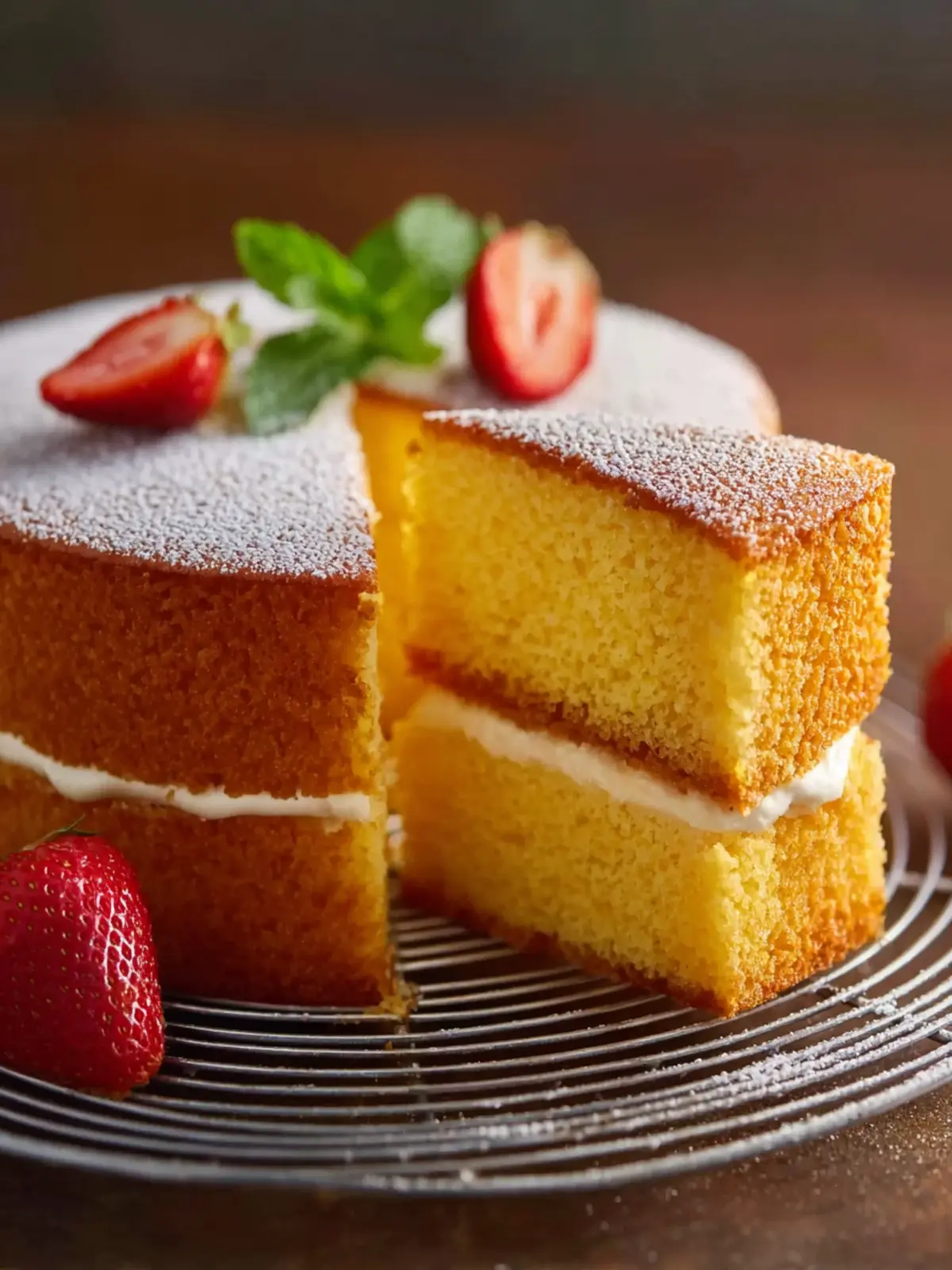
One of the simplest yet most delightful ways to enjoy Genoise sponge cake is by serving it with fresh fruit. Think fluffy strawberries, zingy raspberries, or tropical mango slices, all of which add vibrant flavors and textures to the cake. A dollop of whipped cream or a smooth crème fraîche on top amplifies the indulgence, creating a lovely contrast to the cake’s lightness. It’s a refreshing treat that’s perfect for warm sunny days.
Using as a Base for Layer Cakes
Imagine crafting a multi-layer cake where your Genoise sponge cake acts as the sumptuous base. Layer it generously with frosting, fresh fruits, or even a luscious custard. Each slice becomes a masterpiece, ideal for birthdays or special gatherings. Don’t forget to drizzle some flavored syrup between the layers to keep the cake moist and add an extra layer of flavor; it’s an absolute game changer!
Incorporating into Trifles or Desserts
If you’re looking to get creative, consider using your Genoise sponge cake as a component in trifle desserts. Layer pieces of the cake with rich pudding, seasonal fruits, and a sprinkle of nuts in a clear glass. The result is a visually stunning dessert that is as delightful to look at as it is to eat. Not only is this a fabulous way to use leftover cake, but it also impresses guests with minimal effort!
Try these serving suggestions, and let your imagination take flight with the versatile Genoise sponge cake!
Time Breakdown for Genoise Sponge Cake
Creating the perfect genoise sponge cake isn’t just about following a recipe; it’s about finding the rhythm that works best for you in the kitchen. This delightful cake, with its airy texture, requires some careful timing. Let’s break it down!
Preparation Time
Getting started on your genoise sponge cake takes about 20-30 minutes. You’ll want to gather your ingredients, prepare your baking pan, and whip those eggs and sugar until they’re light and fluffy.
Baking Time
The baking itself generally takes around 25-30 minutes. You’ll want to keep an eye on your cake as it rises, creating that lovely golden crust.
Cooling Time
Once your cake is out of the oven, let it cool in the pan for about 10 minutes before transferring it to a wire rack, where it should cool completely for another 30-45 minutes. This cooling period is crucial; it helps the cake set and develop its signature lightness.
Now that you have a clearer picture, you’re all set to bake a delicious genoise sponge cake!
Nutritional Facts for Genoise Sponge Cake
Genoise sponge cake is not just a delightful treat; it’s also relatively light in calories compared to other cakes, which makes it appealing for many dessert lovers. Here’s a quick breakdown of its nutritional profile:
Calories
A typical slice of genoise sponge cake contains around 100-150 calories, making it a guilt-free indulgence.
Carbohydrates
Each slice has about 20-25 grams of carbohydrates. This provides a quick source of energy, perfect for fueling your day.
Fats
Genoise sponge cake is low in fat, typically featuring only 2-5 grams per slice. This is mainly due to its reliance on eggs and minimal added fats.
Proteins
With approximately 3-5 grams of protein per serving, this cake offers a little boost while remaining predominantly a delightful sweet treat.
Enjoy a slice alongside your favorite fresh fruits to balance flavors and enhance nutrition!
FAQs about Genoise Sponge Cake
Genoise sponge cake is a classic Italian favorite that can elevate any dessert. If you’re new to making this delightful cake, you might have a few questions. Fear not; I’m here to help clarify any concerns you might have.
How do I know when my Genoise is done baking?
To determine if your genoise sponge cake is perfectly baked, the best method is the toothpick test. Gently insert a toothpick into the center of the cake. If it comes out clean or with just a few crumbs clinging to it, your sponge is ready! The cake should also spring back when lightly pressed in the center. If it leaves an imprint, give it a few more minutes in the oven.
Can I freeze Genoise Sponge Cake?
Absolutely! Freezing your genoise sponge cake is a great way to enjoy it later. Allow the cake to cool completely, then wrap it tightly in plastic wrap or aluminum foil. For added protection against freezer burn, place it in an airtight container or freezer bag. It can be stored for up to three months. Just remember to let it thaw at room temperature before serving!
What can I use if I don’t have cake flour?
If you find yourself short on cake flour while preparing your genoise sponge cake, don’t worry. A simple substitute can be made by measuring one cup of all-purpose flour, then removing two tablespoons from it. Replace those two tablespoons with cornstarch. Mix them together for a quick homemade cake flour. This will help achieve that light and fluffy texture characteristic of the genoise.
Conclusion on Genoise Sponge Cake
Creating a delightful genoise sponge cake is more than just a baking project; it’s an experience that weaves joy into gatherings and celebrations. Its light, airy texture allows it to soak up syrups and pair beautifully with fruits and creams, making it an incredibly versatile base for various desserts. As you master this classic Italian cake, you’ll find that it’s not just about the ingredients but also the love and creativity you pour into every layer. So next time you’re in the kitchen, think about the magic of genoise sponge cake and the sweet memories it can help create.
Print
Genoise Cake
- Total Time: 45 minutes
- Yield: 8 pieces 1x
- Diet: Vegetarian
Description
This light and airy Genoise cake is perfect for a variety of desserts and can be layered with fruit, whipped cream, or frosting.
Ingredients
Scale
- 4 large eggs, room temperature
- 120g (½ cup + 1 tbsp) granulated sugar
- 120g (1 cup) cake flour, sifted
- 30g (2 tbsp) unsalted butter, melted and cooled
- 1 tsp vanilla extract (optional)
Instructions
- Prepare your tools and ingredients. Start by preheating your oven to 350°F (175°C). Grease and line an 8-inch round cake pan with parchment paper. This ensures easy release and even baking. Use eggs that are truly at room temperature—this helps them whip to maximum volume. I like to place them in warm water for 10 minutes if I forget to set them out.
- Whip the eggs and sugar. In a large mixing bowl, combine the eggs and sugar. Using a hand or stand mixer, beat the mixture on high speed for 8 to 10 minutes, or until it triples in volume and becomes pale and thick. You’ll know it’s ready when the batter falls in thick ribbons and slowly dissolves on the surface. This stage is crucial—this is where you’re building the structure and height of your Genoise sponge.
- Fold in the flour. Sift the cake flour over the egg mixture in two additions. Gently fold with a spatula after each addition, taking care not to deflate the air you worked so hard to create. Use a lifting-and-turning motion rather than stirring.
- Add melted butter and vanilla. Take a small amount of the batter and mix it with the cooled melted butter. Then gently fold this back into the main batter, along with the vanilla extract if using. This step helps incorporate the butter evenly without deflating the batter.
- Bake the cake. Pour the batter into your prepared pan and smooth the top with a spatula. Tap the pan gently on the counter to remove large air bubbles. Bake for 25–30 minutes or until the top is golden and the center springs back lightly when touched. A toothpick inserted into the center should come out clean.
- Cool and release. Let the cake cool in the pan for 5–10 minutes before turning it out onto a wire rack. Peel off the parchment and allow it to cool completely before slicing or decorating.
Notes
- Ensure your eggs are at room temperature for maximum volume when whipped.
- For more flavor, consider adding citrus zest to the batter.
- Prep Time: 15 minutes
- Cook Time: 30 minutes
- Category: Dessert
- Method: Baking
- Cuisine: Italian
Nutrition
- Serving Size: 1 slice
- Calories: 150
- Sugar: 10g
- Sodium: 50mg
- Fat: 5g
- Saturated Fat: 3g
- Unsaturated Fat: 2g
- Trans Fat: 0g
- Carbohydrates: 20g
- Fiber: 0g
- Protein: 4g
- Cholesterol: 80mg