Follow Me On Social Media!

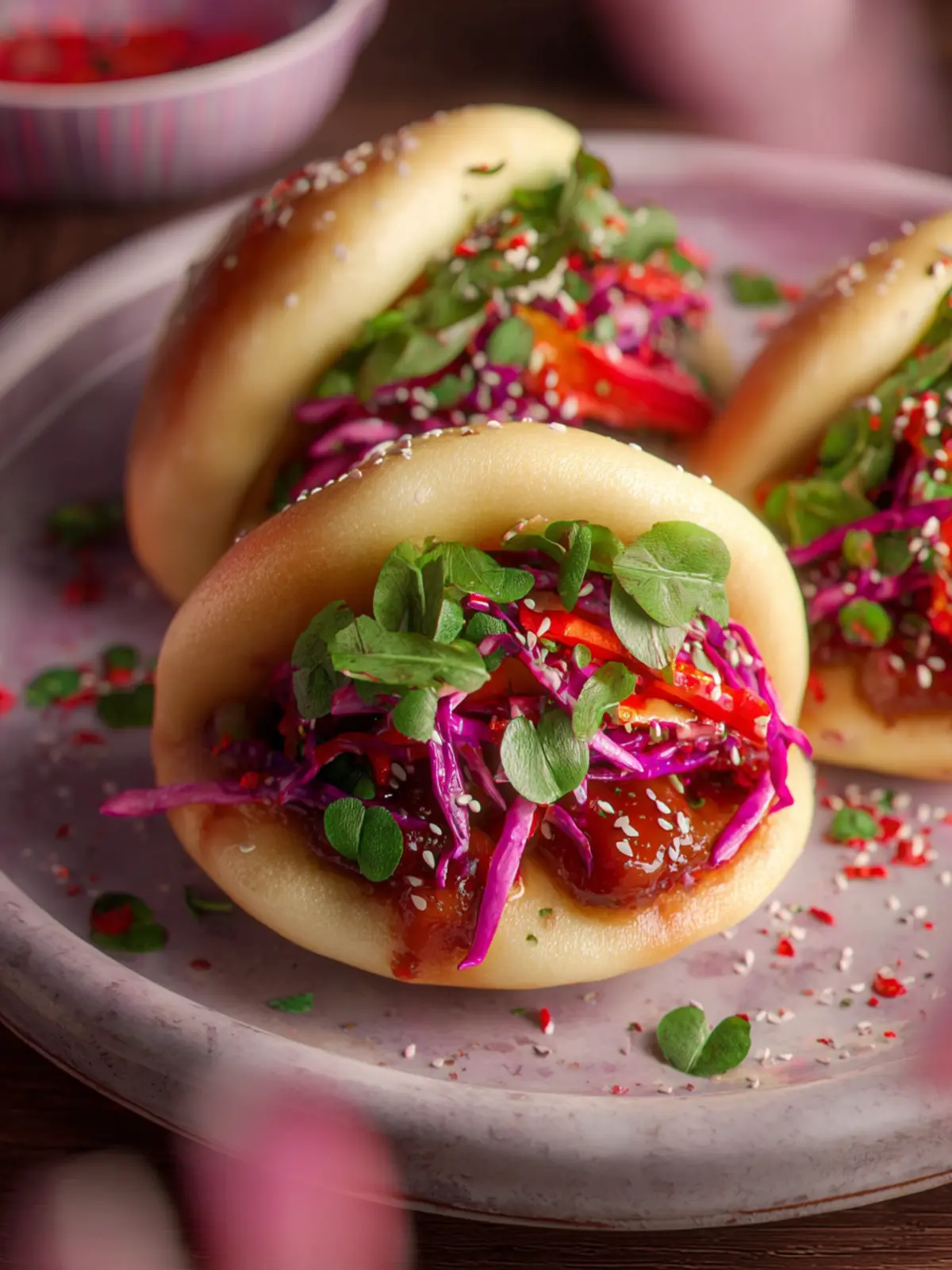
Fluffy Bao Buns: Irresistibly Soft and Stuffed with Love

Introduction to Fluffy Bao Buns
Fluffy bao buns are a delightful journey into the world of texture and flavor, combining the best of soft, pillowy dough with a surprising filling. Imagine sinking your teeth into a velvety cloud, only to discover a savory or sweet surprise hidden within. These buns are not just food; they are a cultural experience, often enjoyed in bustling street markets across Asia. The fluffy bao bun is a canvas where creativity knows no bounds, whether you’re leaning toward savory stir-fried meats or luscious sweet treats.
Originating from China, fluffy bao buns have made their way to food enthusiasts around the globe. Their unique preparation method, which involves steaming, results in a light and airy texture that’s impossible to resist. Although the cooking technique may seem advanced, making these buns at home can be quite simple with the right approach and ingredients.
What Makes Fluffy Bao Buns Irresistible?
The allure of fluffy bao buns lies in their enchanting combination of taste, texture, and versatility:
- Softness: The steamed dough is incredibly soft, melting in your mouth. This makes every bite an experience, drawing you in for just one more.
- Versatile Fillings: You can personalize these buns. From rich pork belly to fragrant vegetarian options, the sky’s the limit! Think of your favorite flavors—perhaps spicy, sweet, or umami.
- Visual Appeal: Served hot and fresh, their delicate, white exterior and pleated design make them a feast for the eyes, making for an efficient Instagram moment.
Imagine sharing a plate of fluffy bao buns with friends, each person taking turns choosing their filling and enjoying the communal aspect of food. They spark conversations and create moments, making any gathering feel special. In the following sections, you’ll learn how to navigate the ingredients and steps to creating your own fluffy bao buns right in your kitchen. Trust me; you’ll want to savor this culinary adventure!
Key Ingredients for Fluffy Bao Buns
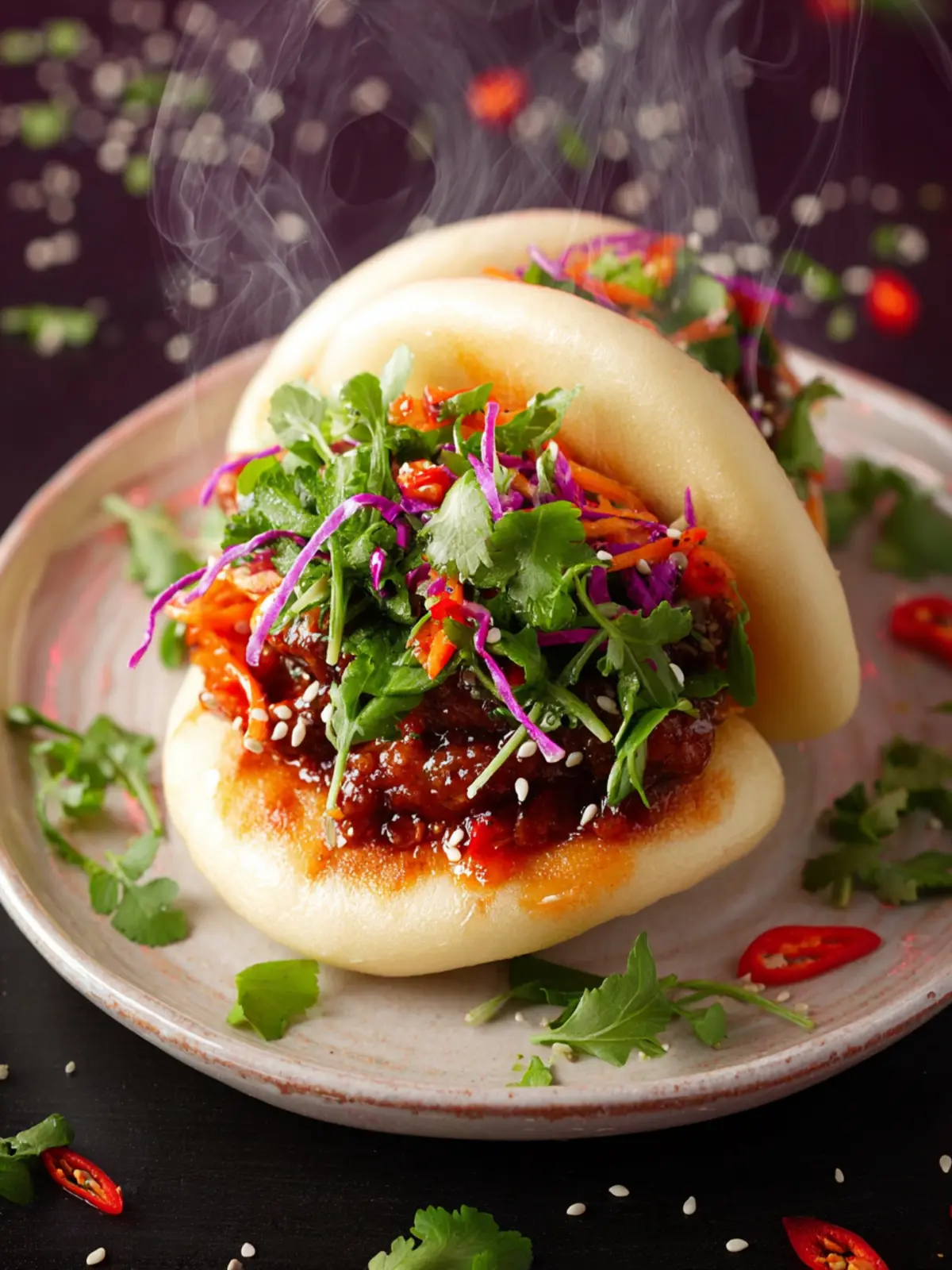
Creating fluffy bao buns is an art that hinges on understanding the essential ingredients that make them light and airy. These delightful dumplings are not just about taste; they’re about texture, and selecting the right components can elevate your bao bun experience from ordinary to extraordinary.
Flour: The foundation of any good bao bun is high-quality all-purpose flour. It provides the perfect balance of gluten, allowing the buns to rise beautifully while maintaining their tender, fluffy structure.
Yeast: Fresh yeast is your best friend here. It’s vital for fermentation, which gives the bao buns their signature puffiness. Ensuring your yeast is fresh will yield the best results, so don’t skimp on this ingredient!
Sugar: A touch of sugar adds flavor and assists in the fermentation process by feeding the yeast. This not only enhances the taste but also contributes to the softness of the buns.
Baking Powder: While yeast works to leaven the buns during rising, baking powder gives them an extra lift during cooking. This dual action ensures they’re airy and light.
Water: Always use warm water to activate the yeast. The warmth creates the perfect environment for fermentation, allowing your dough to rise pleasantly.
These simple yet essential ingredients are the keys to crafting fluffy bao buns that are sure to impress your friends and family.
Why You’ll Love These Fluffy Bao Buns
The moment you take a bite of fluffy bao buns, you’ll be transported to a world of soft, pillowy goodness that melts in your mouth. These delightful treats are not only fun to make but deliver an explosion of flavors that can elevate any meal or occasion. Picture this: a gathering with friends or family, all sitting around the table, as you serve up a steaming basket of freshly made bao buns, each one bursting with your favorite fillings.
What makes these buns so special?
- Soft and Airy Texture: The technique of steaming yields a texture that is impossibly soft and airy, creating the perfect vehicle for all sorts of fillings, from savory to sweet.
- Customizable: Whether you’re craving pork, chicken, vegetables, or even a sweet chocolate filling, bao buns adapt beautifully to your culinary desires.
- Easy to Prepare: Making bao buns at home may seem daunting, but with a little practice, you’ll find it’s a straightforward and rewarding experience. The rewards are not just tasty; they’re an awesome way to impress guests or spice up your weeknight meals.
Try making these fluffy bao buns for your next gathering, and you may just find a new favorite recipe that everyone will adore!
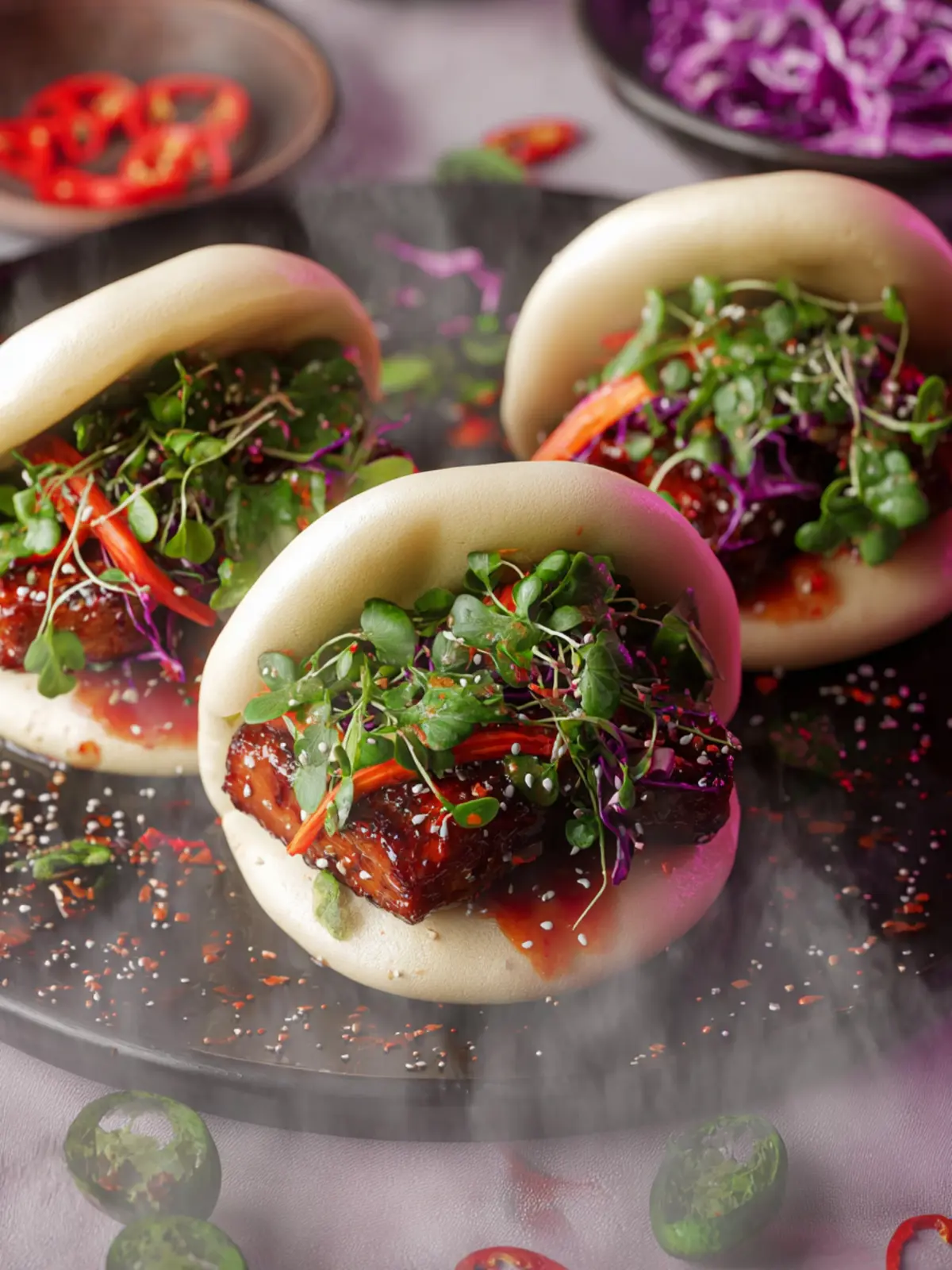
Cooking Tips for Perfect Fluffy Bao Buns
Creating fluffy bao buns at home is not just a culinary task; it’s a delightful journey that connects you to rich traditions and flavors. Imagine opening a steaming basket to reveal soft, pillowy buns that cradle your favorite fillings. To ensure your bao buns turn out perfectly every time, here are some tried-and-true tips.
Using High-Quality Flour
Selecting the right flour is crucial for achieving that soft, fluffy texture in fluffy bao buns. Opt for all-purpose flour or a combination of all-purpose and cake flour for lighter buns. If you’re feeling adventurous, feel free to experiment with high-gluten flour for a chewier texture.
Perfecting the Dough Temperature
Temperature plays a key role in dough fermentation. When mixing your dough, use warm water (not hot!) to help activate the yeast. This creates the perfect environment for the dough to rise. Avoid a temperature that’s too cold, as it will slow down fermentation.
Kneading and Resting Times
Kneading your dough thoroughly develops gluten, essential for those airy buns. Aim for about 8-10 minutes of kneading until your dough is smooth. After kneading, give it a proper rest—at least an hour covered with a damp cloth to prevent drying out.
Steaming Technique
For the ultimate fluffy bao buns, steaming is the way to go. Line your steamer with parchment paper to prevent sticking, and make sure to leave space between each bun for expansion. Always ensure ample water in the steamer to create a moist environment.
By following these insights, you’ll find making fluffy bao buns an incredibly satisfying experience that fills your kitchen with warmth and delicious aromas. Happy cooking!
Time Details for Fluffy Bao Buns
Creating fluffy bao buns is not just a culinary journey; it’s a delightful experience that can be seamlessly managed within a reasonable timeframe. Let’s break down the time you’ll need for these heavenly pillows of goodness.
Preparation Time
For those eager to dive in, the preparation time for fluffy bao buns is approximately 1 hour. This includes mixing your ingredients, kneading the dough, and letting it rise until puffy.
Cooking Time
The cooking time is quick, taking about 15 to 20 minutes. This is enough time to steam the bao buns to fluffy perfection.
Total Time
All in all, you’re looking at around 1 hour and 20 minutes from start to finish. This means you’ll be savoring your fluffy bao buns in no time!
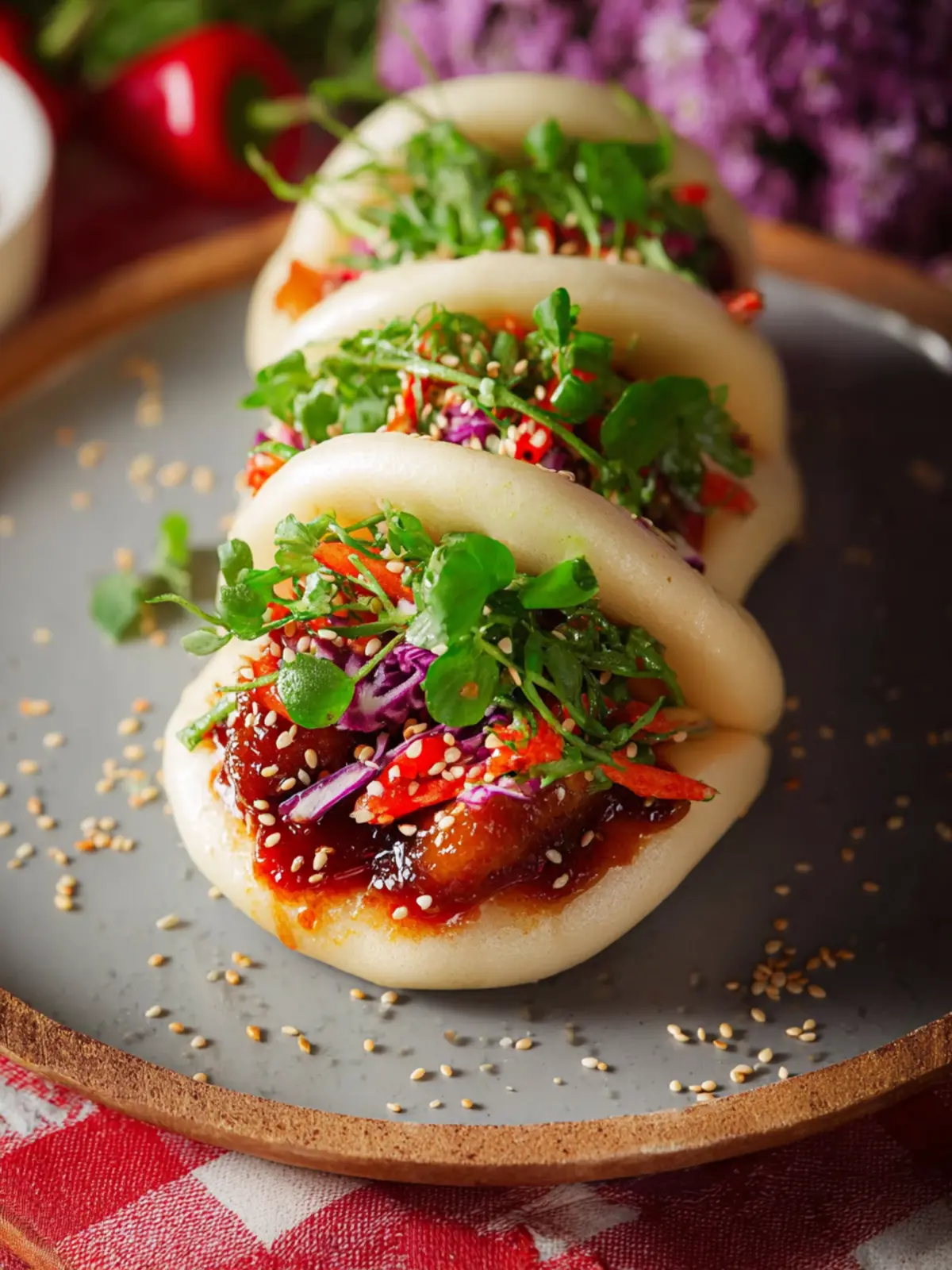
Nutritional Information for Fluffy Bao Buns
Fluffy bao buns are not only a delightful treat; they also offer a balanced nutritional profile that many find appealing. Let’s take a closer look at the essential nutrients packed into these soft and pillowy buns.
Calories
Each fluffy bao bun contains approximately 150 calories. Perfect for enjoying as a snack or meal component, these buns can fit nicely into most diets without overwhelming your calorie count.
Protein
Complementing the soft texture of fluffy bao buns, you can typically expect about 4 grams of protein per bun. While not a protein powerhouse on their own, they serve as a great base for fillings rich in protein, like pork, chicken, or tofu.
Sodium
On average, these delightful buns contain around 200 milligrams of sodium. While they are a savory option, it’s advisable to keep an eye on added sauces or fillings to maintain a balanced sodium intake.
FAQs about Fluffy Bao Buns
When you think about fluffy bao buns, the first image that pops to mind is a warm, soft pouch cradling delicious fillings. They can bring a little joy to any meal, whether you’re preparing a cozy dinner or a lively gathering with friends. Here are some frequently asked questions that help elevate your bao bun experience!
How do I keep bao buns fluffy?
A common concern when making fluffy bao buns is ensuring they retain their airy texture. Here are a few tips:
- Proper kneading: Make sure to knead the dough thoroughly until it’s smooth and elastic. This activates the gluten, giving your buns that ideal fluffiness.
- Steam gently: Use a bamboo steamer for an even and gentle steam. This helps prevent the buns from becoming dense or soggy.
- Avoid overcrowding: Give each bun enough space when steaming. They need room to expand without sticking to each other.
Can I make the dough in advance?
Absolutely! Making the dough ahead of time is a great idea. You can:
- Refrigerate the dough: After kneading, keep the dough in an airtight container for up to 24 hours. Just let it come to room temperature before rolling and shaping.
- Freeze the buns: Shape the buns, place them on a parchment-lined tray, and freeze until solid. Once frozen, transfer them to a freezer bag. Steam them directly from the freezer when ready to enjoy!
Are there vegetarian filling options?
Yes, there are plenty of delicious vegetarian fillings for your fluffy bao buns. Options include:
- Tofu stir-fry: Toss marinated tofu with veggies and a soy-based sauce for a hearty filling.
- Mushroom mixture: Sautéed shiitake or portobello mushrooms with garlic and scallions create a rich and satisfying option.
- Spicy jackfruit: Use young jackfruit cooked in a sweet and spicy sauce for a texture reminiscent of pulled pork.
With these tips in hand, you’re set to whip up some delightful fluffy bao buns!
Conclusion on Fluffy Bao Buns
There’s something undeniably satisfying about crafting fluffy bao buns from scratch. Not only do they boast a light, airy texture, but they also serve as a cozy home for your favorite fillings. Whether you’re opting for savory pork, spicy tofu, or vibrant veggies, the delightful embrace of these soft buns elevates any dish. Making them may take a bit of practice, but the end result is well worth the effort. So, roll up your sleeves, enjoy the process, and savor that first bite of soft, pillowy perfection. You’ll find it’s not just food; it’s a warm hug for your taste buds.
Print
Gochujang Chicken Bao Buns
- Total Time: 80 minutes
- Yield: 12 buns 1x
- Diet: Gluten-Free, Dairy-Free
Description
Delicious and fluffy bao buns filled with charred gochujang chicken and fresh slaw.
Ingredients
Scale
- 350g (2 ⅓ cups) all-purpose flour
- 2 teaspoons instant yeast
- 2 teaspoons baking powder
- 1 teaspoon salt
- 2 tablespoons neutral oil (vegetable, canola, or peanut oil)
- 180g (approximately ¾ cup) lukewarm water
- 3 tablespoons sesame oil, for brushing
- 500g (1lb) boneless, skinless chicken thighs (ideally free-range)
- 1 tablespoon gochujang paste
- 1 tablespoon soy sauce
- 1 tablespoon rice vinegar
- 1 tablespoon sweet chili jam (plus more to serve)
- ¼ head red or white cabbage, thinly sliced
- ½ cucumber, finely diced
- 3 scallions (spring onions), finely sliced
- A handful of cilantro (coriander) leaves
- 1 tablespoon sesame seeds
- ½ teaspoon salt
- 1 tablespoon rice vinegar
- ½ tablespoon sesame oil
- 1 teaspoon fish sauce
- ¼ cup egg-free garlic aioli (or two-minute gochujang aioli)
- ¼ cup sweet chilli jam
- 1 tablespoon sesame seeds
- A handful of cilantro (coriander) leaves, chopped
- Rolling pin
- Parchment paper for lining
- Steamer – either a bamboo steamer or any standard steaming basket
Instructions
- In a large bowl, combine 350g (2 ⅓ cups) all-purpose flour, 2 teaspoons instant yeast, 2 teaspoons baking powder, 1 teaspoon salt, 2 tablespoons neutral oil, and 180g (¾ cup) lukewarm water. With a large spoon, stir to combine until a rough, shaggy dough forms. Use your hands to bring it together into a ball. Give it a couple of quick kneads in the bowl to scrape up any leftover bits of flour, then turn it out onto a lightly floured surface.
- With the heel of your hand, push the dough away from you, then fold the part you just pushed away back on itself, give the dough a quarter turn, and repeat this motion. Continue like this for about five minutes. You’ll start to feel the texture of the dough changing – what was a little rough will become smooth and supple. At this point, you’re ready to shape your bao. You can also do this in a stand mixer with the dough hook attached if you have one.
- Cut out 12 small squares of parchment paper, about 5cm squared. Alternatively, you can line the entire steamer basket. To do that, cut a piece of parchment paper into a circle that will fit inside your steamer. Fold it in half, then in half again, then make 5 small cuts along the folded edge. When you unfold it, you’ll have created a perfect liner with holes for steam to get through. Pop it inside the steamer. You must line your steamer or your bao buns will stick to it and you’ll make a mess.
- Roll the dough into a log, about 12 inches long. Divide the log into 12 equal pieces – if you want to get exact, you can use a scale (each piece should weigh roughly about 1 oz or 50g). Working with one at a time, and covering the other pieces of dough with a clean kitchen towel (this is to stop them drying out), shape a piece into a small ball.
- Gently flatten a ball into a small oval and use a rolling pin to roll the dough into an oval shape, about 3 inches or 8cm long and ¼ inch thick. Brush the exposed side with sesame oil, then fold it onto itself. Place on a little square of parchment paper (or into the lined steamer straight away), then put into the steamer, leaving about an inch between each bun so they don’t stick together. Repeat with the remaining pieces of dough.
- At this point, the dough needs to rest for about 30 minutes to puff up and rise a little. I like to take a photo on my phone of the bao as I place them in the steamer, so it’s easy to compare and see how they’re going.
- After 30 minutes, they should look a little more puffy. Now it’s time to cook them. Bring a large pot of water to a boil (I boil the kettle and pour that into a pot for ease). Place the steamer on top of the pot and let it steam for 12 minutes, until the buns puff up beautifully and look lovely and glossy. They’re now ready to fill.
- Heat your oven to 450°F (250°C) fan and line a baking sheet with parchment paper. In a bowl, add 1lb of diced chicken thighs, 1 tablespoon of gochujang paste, 1 tablespoon of soy sauce, 1 tablespoon of sesame oil, 1 tablespoon of rice vinegar, and 1 tablespoon of sweet chili jam, and toss to coat the chicken thoroughly.
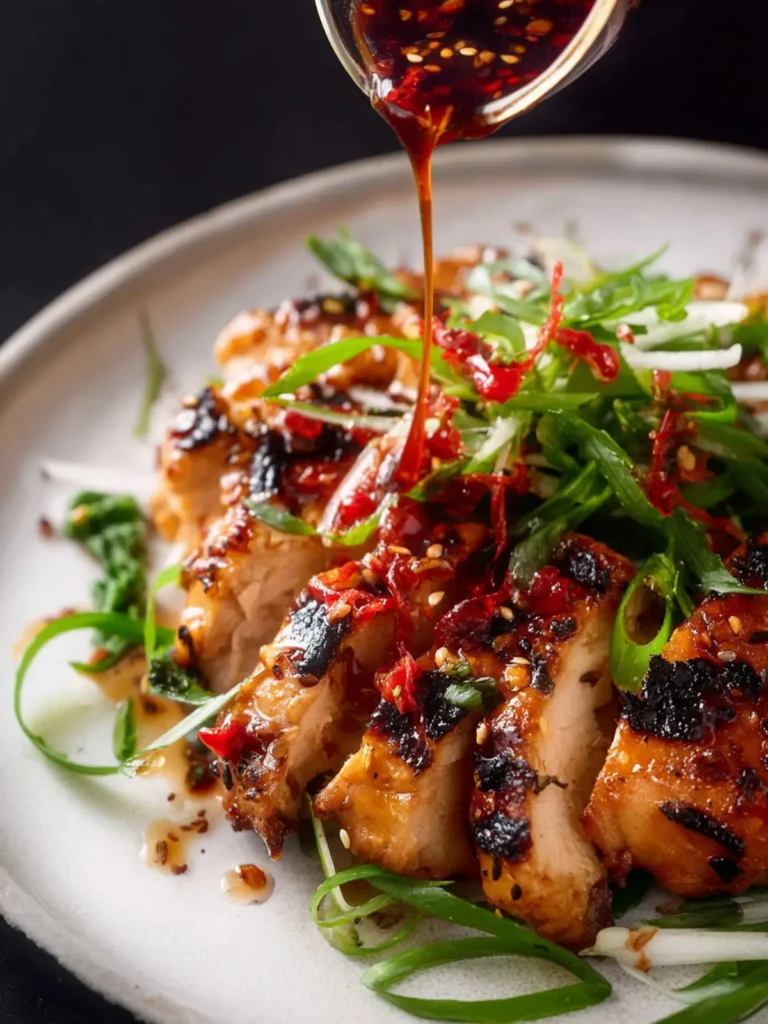
- Transfer the chicken to the lined baking sheet and spread it into a single layer. Pop into the oven for 20 minutes, until lovely and charred around the edges. You can also do this in the air fryer. Air fry for 10 minutes at 400°F (200°C).
- While the chicken cooks, add the sliced cabbage, scallions, cucumber, and 1 tablespoon of sesame seeds to a bowl. Pour over 1 tablespoon of rice vinegar, ½ tablespoon of sesame oil, 1 teaspoon of fish sauce, and ½ teaspoon of salt. Toss to combine well.
- Spread a little aioli onto the base of each bao bun and top with a generous spoonful of the slaw. Arrange a couple of pieces of the charred gochujang chicken on top, then drizzle with the remaining chili jam. Finish with another scattering of sesame seeds and cilantro.
Notes
- This recipe yields approximately 12 bao buns.
- The resting time allows the dough to rise, resulting in a fluffier texture.
- You can customize the filling with other proteins or vegetables as desired.
- Prep Time: 60 minutes
- Cook Time: 20 minutes
- Category: Main Dish
- Method: Steaming, Baking
- Cuisine: Asian
Nutrition
- Serving Size: 1 bun
- Calories: 250
- Sugar: 5g
- Sodium: 600mg
- Fat: 12g
- Saturated Fat: 1g
- Unsaturated Fat: 11g
- Trans Fat: 0g
- Carbohydrates: 29g
- Fiber: 1g
- Protein: 10g
- Cholesterol: 70mg